Permanent vacation lights made use of to carry a certain aesthetic penalty. You either coped with apparent plastic tracks and visible cables year-round, or you climbed up ladders every season and started over from square one. That trade-off has actually changed. The very best modern systems are developed to vanish into the style when they are off, after that offer you crisp, controlled light specifically where you desire it when they are on.

That distinction matters more than a lot of house owners expect. A roofline is just one of the best aesthetic features of a residence. It defines form, proportion, and visual allure from the road. If lighting interrupts that line, the house looks busy. If the system follows it cleanly and quietly, the lighting really feels deliberate, virtually built in. The result is much less like seasonal decor and even more like an exterior design upgrade.
After seeing these systems on every little thing from portable ranch homes to high two-story gables with complex fascia details, one point comes to be clear: the success of irreversible vacation lights has much less to do with brightness and even more to do with restriction. Excellent design hides the hardware, values the roofline, and uses shade and placement with discipline.
What "smooth" truly looks like
When house owners state they desire long-term vacation lights that blend in, they normally indicate two points simultaneously. Initially, they do not intend to see the system throughout the day. Second, they do not desire the nighttime impact to look extreme, populated, or exaggerated. Those are related, yet they are addressed in various ways.
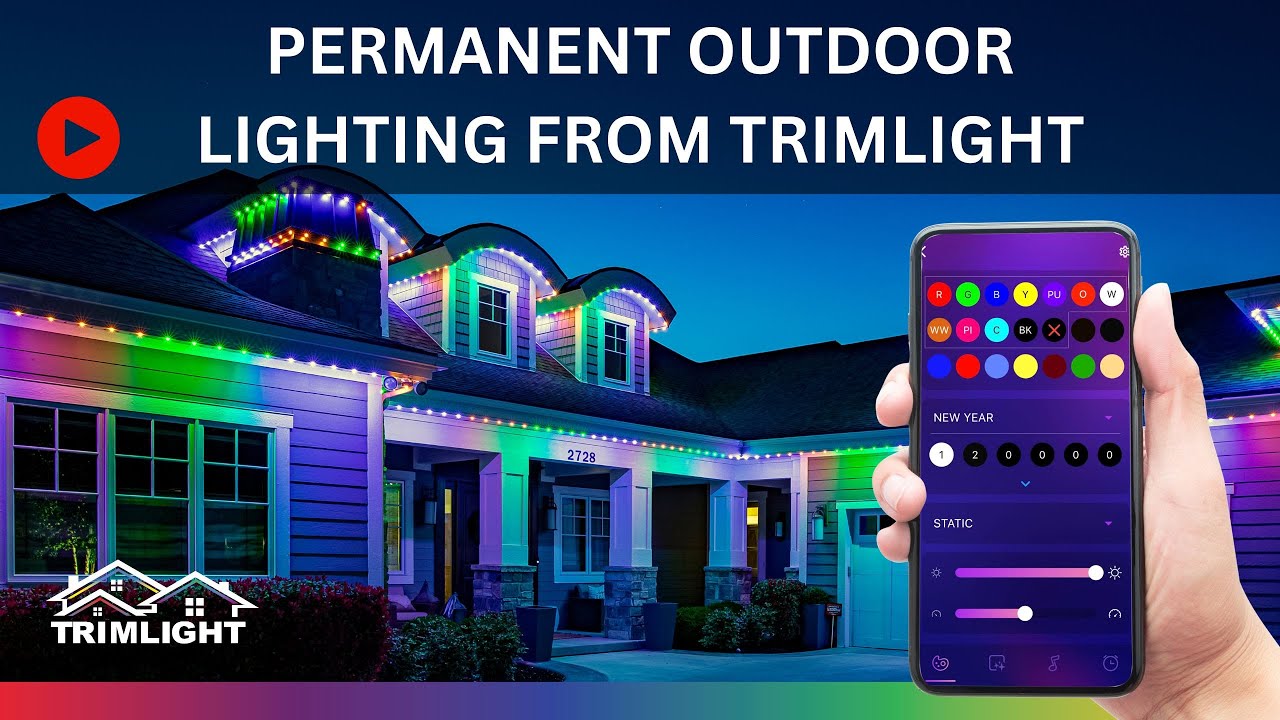
Daytime invisibility boils down to mounting location, track shade, wire monitoring, and exactly how well the installer checks out the house. Nighttime beauty boils down to diode spacing, light beam angle, illumination control, and programs. A system can be almost undetectable in daytime and still look inexpensive during the night if the light is also blue, as well extreme, or badly spaced. On the other hand, even a moderate setup can look improved if it throws a soft wash under the soffit and adheres to the lines of the home cleanly.
That is why the phrase Permanent LED Lights Installation must imply more than just affixing lights to cut. It must suggest a tailored setup that deals with the home as a finished surface, not a practical location to attach hardware.
The roofline sets the rules
Every residence tells you where the lights should go if you know exactly how to review it. Straight eaves on a colonial or artisan home act in a different way than the broken peaks and valleys on a contemporary country construct. Deep soffits create softer mirrored light. Superficial overhangs typically require a lot more cautious angle control. Dark fascia conceals elements better than brilliant white trim, yet white trim can look incredibly tidy when the network is shade matched correctly.
The finest installations normally put the fixtures under the soffit or just behind the fascia line so the light projects outward without revealing the individual diodes from the street. That covert positioning is what gives the roofline a glow instead of a string-light appearance. It is refined when off, building when on.
On some homes, especially those with little overhang or unusual trim details, there is no perfect universal placing factor. That is where experience shows. An installer might require to shift positioning slightly to maintain symmetry from the street, also if the measurements are not the same section by section. Aesthetic alignment issues greater than mathematical purity. A home is evaluated by the eye, not a tape measure.
I have actually seen one-story homes where a quarter inch distinction in reveal made no functional difference, and I have seen front gables where a little incongruity shouted from the aesthetic. Rooflines magnify small errors. That is why a seamless outcome depends upon mindful layout prior to a solitary clip or track goes up.
Why shade temperature matters greater than several buyers realize
A great deal of individuals initial buy permanent lights by taking a look at shade options and app functions. Those are fun, yet the daily value typically originates from the most basic setup: a warm white that flatters the home.
For several properties, particularly brick residences, stone facades, traditional home siding shades, and homes in established communities, Classic Cozy Soft Lights tend to look better than icy white or very saturated shades. Cozy light highlights structure in brick and timber, softens darkness, and feels much more welcoming from the street. It additionally avoids the business look that can occur when LEDs are also cool.

That does not mean cozy light is constantly the right solution. Sharp contemporary homes with black windows and crisp lines can carry a cleaner, cooler white without feeling sterile. The point is that the home itself should guide the lighting scheme. Not every house needs the exact same "vacation" appearance. In fact, the most appealing permanent holiday lights frequently invest the majority of the year doing downplayed tasks: a soft brownish-yellow radiance for outdoor suppers, subtle group shades on game day, mild white for evening visual appeal, and then fuller scenes during the holidays.
Brightness issues equally as long as color temperature level. Several property owners are amazed by exactly how little outcome they in fact require. LEDs can be extreme. What looks festive in an item demonstration can look blazing on a silent property street. Dimming control is crucial. A home that glows gracefully at 30 percent frequently looks much better than one blasting at 100 percent.
The equipment must disappear
If you can detect the system from the driveway at midday, the installation missed the brief.
A clean mount relies on several little choices working together. The network or track ought to match the soffit or fascia as very closely as possible. Fasteners ought to be discreet and appropriate for the material. Wires require to be put, hidden, and directed with a strategy, not draped where the trim adjustments direction. Corners need to look intentional, not forced. Changes around heights, returns, and rain gutter sections need to preserve straight visual lines.
This is where less costly systems commonly provide themselves away. The LEDs may work fine, yet the sustaining hardware resembles an afterthought. Noticeable loopholes of wire, inconsistent spacing, and tracks that do not sit flush against trim develop a pieced-together appearance. It is difficult to call that irreversible lighting. It looks temporary that never ever came down.
A specialist Permanent LED Illumination Installation need to account for greater than simply electric procedure. It ought to represent weather direct exposure, development and tightening, drainage near gutters, access to power, controller placement, and what the system looks like from 5 different angles in daylight.
There is likewise a sensible distinction in between concealing lights and burying troubles. If a part ever requires solution, the system should stay available. The cleanest setups conceal the equipment without making maintenance a migraine later.
Matching the illumination design to the architecture
One of the most significant mistakes I see is selecting a lights effect that battles the house. The roofline may be classy and controlled, yet the programming is loud and restless. Or the home might be playful and modern-day, yet the positioning is so timid that the visual influence disappears.
Traditional homes typically gain from steadier scenes, warmer tones, and softer shifts. Historic-style facades, dormers, and in-depth trim seldom require hostile motion results. The design currently provides rhythm. The lights needs to sustain it.
Modern homes can tolerate extra contrast and sharper shade minutes, specifically if the lines are simple and the materials are smooth. Also after that, technique matters. A solid red-green cycle could help a few December nights, however it can swiftly overpower a very carefully made exterior.
Homes with multiple front-facing gables are a special case. They typically attract overlighting because there are numerous sides to trace. Yet laying out every line similarly can squash the house. Often the better action is to stress the main roofline and let secondary optimals play a supporting function. That maintains the home readable from the street.
A great installer will certainly have point of views concerning this, and that is generally a good sign. You do not desire somebody that simply states yes to every possible positioning. You want a person that comprehends proportion.
Installation details that make or damage the final look
There is a large difference between "lights attached to your house" and a system integrated with the house. The void is made up of details.
The initially information is spacing. Bigger spacing can minimize noticeable mess throughout the day, yet it might develop irregular light in the evening. Tighter spacing can improve https://blogfreely.net/othlasnsmf/develop-a-cozy-outside-with-standard-warm-soft-lights-and-permanent-leds the aesthetic line after dark, but just if illumination is controlled. On homes with lower eaves and brief problems from the road, way too much spacing or excessive output ends up being obvious really quickly.
The 2nd detail is angle. Some fixtures wash light versus the fascia and soffit, while others task much more external. A mild modification in angle can identify whether the impact really feels soft and architectural or sharp and dotted.
The 3rd is continuity at edges and optimals. These are the areas where hurried work appears. Straight runs are easy. Corners disclose the installer's habits. A clean corner keeps the visual rhythm constant and stays clear of unpleasant voids. On facility rooflines, maintaining also spacing with shifts requires planning, not improvisation.
The fourth is power and control placement. The cleanest-looking installation can still feel incomplete if the controller box is mounted where every person can see it. Exterior equipment ought to be secured, obtainable, and discreet.
The fifth is calibration after installation. Many systems supply countless shades, but the useful job occurs in the very first hour of configuration: establishing default illumination, picking a credible cozy white, stabilizing scenes across roofing sections, and ensuring one run does not show up brighter than an additional. This action is usually undervalued. It needs to not be.
A brief word on materials and climate
Permanent holiday lights live outdoors all year. That seems apparent, yet customers in some cases go shopping as if they are selecting an interior device. Climate puts real pressure on products. Warm can affect adhesive-backed options. Freeze-thaw cycles tension fasteners and networks. Wind examinations any kind of section that is not mounted firmly. UV exposure exposes affordable plastics quickly.
If you reside in a location with strong sunlight, seaside moisture, hefty snow, or fast temperature level swings, ask particularly just how the system stands up in those conditions. Ask what components are more than likely to put on first. Ask just how repairs are handled if an area stops working. A good response will appear useful, not theatrical.
There is no outdoor system that is totally upkeep free permanently. Resilient is not the like immortal. The goal is a system developed from weather-appropriate elements and mounted with practical assumptions. On a well-executed task, you might go years with just periodic app updates or the uncommon service call. On a rushed job, the weak points normally expose themselves within the initial season or two.
Where permanent holiday lights make the most sense
These systems are not for everyone, yet they address a details set of issues very well. They are especially attractive for homeowners who are tired of ladder work, have difficult roofing system accessibility, or desire a much more refined exterior without seasonal trouble. Two-story homes, steep-pitch roofs, and houses with elaborate front altitudes are commonly the strongest candidates due to the fact that the initiative of standard decorating is high and the aesthetic benefit of an irreversible system is significant.
They also appeal to people that desire greater than Christmas lighting. That wider use situation matters. If the system just comes alive for a couple of weeks in December, the worth formula can feel slim. If it works as year-round accent lights for events, parties, refined safety and security existence, and everyday aesthetic appeal, the financial investment makes more sense.
The house owners that wind up happiest with long-term holiday lights are normally the ones who desire versatility yet prefer understated outcomes most of the time. They value alternatives, yet they do not want their house to look like an irreversible occasion venue.
Questions worth asking before you commit
A fast product demo can be persuasive, yet setup quality figures out whether you like the system in three years.
Here are a few inquiries that cut through the sales language:
Where specifically will the lights sit about the fascia and soffit, and will certainly I see the components from the street during the day? Can the track or network be matched carefully to my trim color? What does the warm white setting look like on my details outside materials? How are edges, tops, and cable transitions took care of on a house with my roofline? If an area falls short, how is it serviced without disrupting the bordering runs?Those questions often tend to disclose who is marketing a product and that is intending an installation.
The value of seeing a system on an actual house
Showroom demos and brief online clips hardly ever tell the entire tale. Ideally, see a finished installment on a home that resembles your own stylishly or shade. Take a look at it in daytime first. Stand across the street. Walk the driveway. Notice whether the hardware captures your eye. Then look again after dark and take note of the appearance of the light, not simply the novelty of the colors.
This is usually where house owners alter their mind about what they desire. A bright amazing white that appeared crisp on a phone screen might feel stark on actual home siding. A dazzling color chase impact that looked amazing in a coupon video clip may feel as well busy on a silent residential block. By comparison, cozy dimmed roofline lighting usually looks much better face to face than it does in media because its charm is subtle.
If you are assessing Permanent Holiday Lights for your own home, depend on the road view more than the app user interface. The app matters, but nobody judges your residence by your phone.
Cost, and what you are really paying for
Pricing differs extensively by region, roof complexity, product kind, and installer experience. A basic one-story front altitude can land far listed below an intricate two-story wrap with several heights and futures. What issues is recognizing what the quote includes.
You are not just spending for LEDs. You are spending for layout judgment, color-matched products, safe accessibility, clean directing, weather-ready installing, electrical integration, setup, and support. On complex homes, labor and craftsmanship are usually the genuine worth. A more affordable quote can be perfectly practical, but it can also indicate faster ways in cover-up, track top quality, serviceability, or finish.
When contrasting quotes, concentrate on what the system will resemble when it is off. That is the condition it will be in the majority of the year. A refined nighttime trial does not make up for daytime clutter.
The most common blunders homeowners regret
A few patterns show up repeatedly, and many are avoidable.
- Choosing a system based upon application features before validating just how invisible it searches in daylight Installing lights too exposed on the fascia, where the specific nodes remain noticeable from the street Using illumination degrees that subdue the architecture rather than complement it Treating every roof side just as, which can make a home look flat and extremely busy Underestimating the relevance of cozy white adjusting and ending up with a cold, industrial feel
These are not tragic blunders, however they are the factors some permanent illumination projects look custom-made and others look generic.
A roofline ought to still look like a roofline
That may seem evident, yet it is the best test for whether a system is functioning. When the lights are off, the roofline must read easily and naturally, without a noticeable layer of equipment completing for focus. When the lights get on, the style ought to still lead. The lights should disclose the form of the house, not replace it.
That is the real assurance of a well-executed permanent illumination system. It eliminates the seasonal labor, yes. It includes ease and programmability, yes. Yet the deeper worth is visual. It gives property owners a method to commemorate, delight, and raise aesthetic charm without compromising your home itself.
The strongest projects are the ones that show restriction. They make use of cover-up, careful positioning, and thoughtfully picked settings to make the illumination seem like component of the home. That is particularly true when the system leans into Classic Cozy Soft Lights for day-to-day use and saves the dramatic effects for the minutes that ask for them.
If your goal is a residence that feels polished in December and classy in July, seamless integration with the roofline is not a minor detail. It is the entire job.